
Can You Start Addiction Treatment Before You’re Sober?
One of the misconceptions that can keep people from reaching out for addiction treatment is the belief that they need to stop drinking or using drugs first. Someone may know that substance use is becoming a problem but continue postponing treatment because they cannot make it through more than a few days without using. Family members may experience the same confusion, wondering whether their loved one needs to detox before they can even call a treatment provider.
You do not need to have recovery figured out before asking for help. In fact, difficulty stopping substance use can be one of the clearest reasons to speak with an addiction treatment professional.
Whether outpatient treatment is appropriate while someone is actively using depends on several factors. The substance involved, frequency and amount of use, withdrawal risk, physical and behavioral health needs, previous treatment experiences, home environment, and ability to participate safely in programming can all affect the appropriate starting point.
At Focused Addiction Recovery, the first step is understanding what is happening and determining what level of support may be appropriate.
What Happens If You Call Treatment While You’re Still Using?
Calling an addiction treatment program is not the same as committing to a particular level of care. The initial conversation is an opportunity to explain what has been happening and begin determining what kind of help may be needed.
Be open about what substances you are using, how frequently you use them, when you last used them, and whether you have experienced withdrawal symptoms in the past. This information is important because withdrawal from some substances can carry significant medical risks.
You should also share information about previous treatment, medications, behavioral health concerns, and other circumstances that may affect treatment. The purpose is not to judge how much or how often someone has been using. It is to determine an appropriate and safe next step.
Do You Have to Detox Before Outpatient Rehab?
Not everyone entering addiction treatment needs the same type of withdrawal support. Some individuals may be appropriate for outpatient services, while others may need medically supervised withdrawal management or another level of care before beginning ongoing outpatient treatment.
This distinction is particularly important with substances that can cause potentially serious withdrawal symptoms. For example, abruptly stopping benzodiazepines after physical dependence has developed can be dangerous. Alcohol withdrawal can also become medically serious for some individuals.
That is why trying to determine your own level of care based solely on information found online is not a substitute for an appropriate assessment.
If withdrawal management or stabilization is needed first, that does not mean outpatient treatment is no longer an option. It may simply change the order of care.
What Happens After Detox?
Detox addresses the immediate physical process of stopping substance use, but it does not address every factor that contributed to addiction.
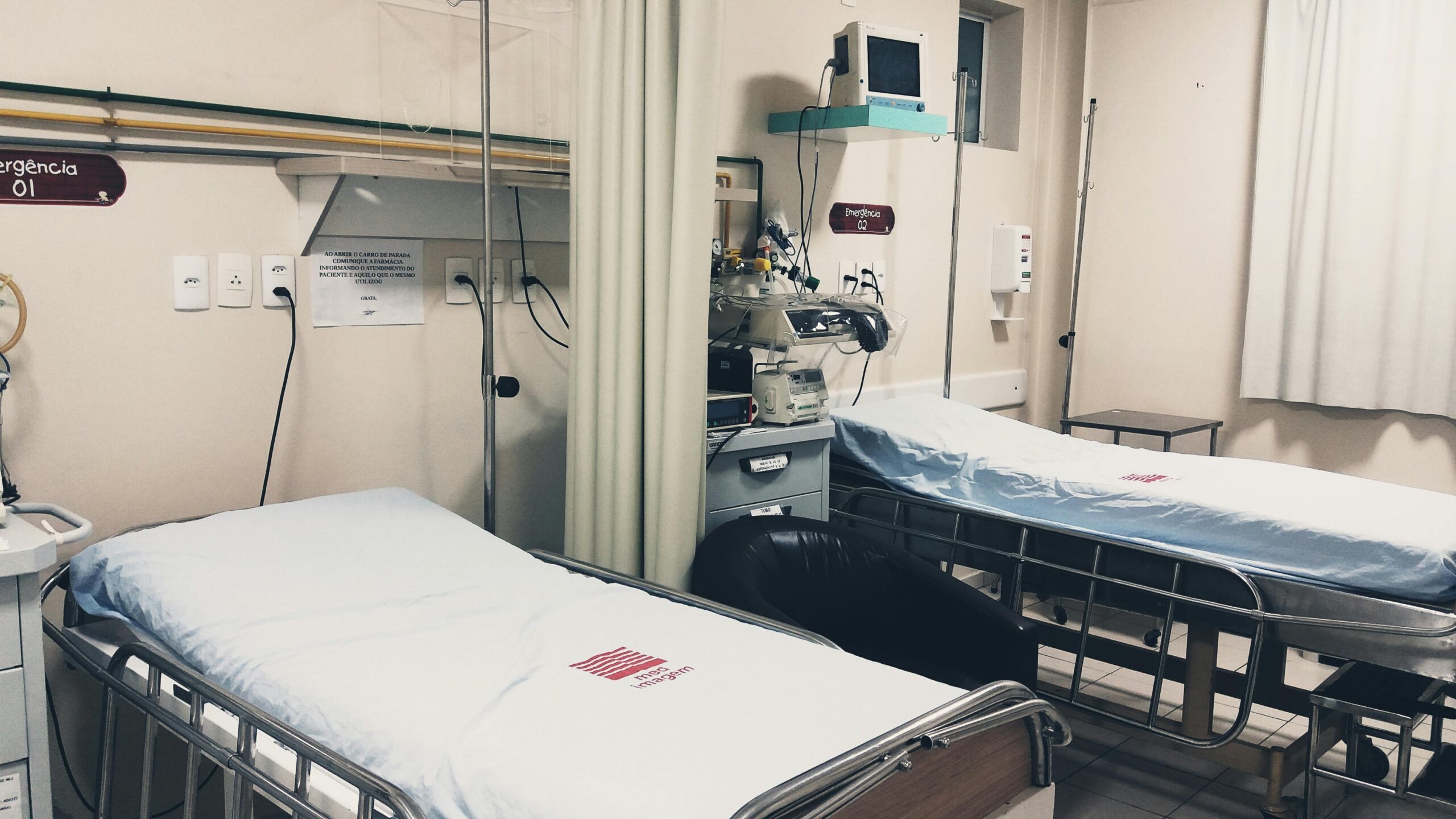
Someone can successfully complete withdrawal and still return to the same stressors, triggers, relationships, thought patterns, or behaviors that were present before detox. Cravings can continue, and adjusting to everyday life without substances may present challenges that were not apparent during withdrawal.
This is why continuing addiction treatment after detox can be so important.
Depending on individual needs, someone may transition into SACOT/PHP, an Intensive Outpatient Program, traditional outpatient treatment, Medication-Assisted Treatment, therapy, Peer Support, or a combination of recovery services.
The goal is to continue building upon the physical stabilization achieved during withdrawal rather than viewing detox as the end of treatment.
How Does Outpatient Addiction Treatment Work?
Outpatient addiction treatment allows appropriate clients to receive structured treatment without living in a residential treatment facility.
There are different levels of outpatient care, and they are not interchangeable. Someone who needs significant structure may begin with a more intensive program, while another individual may be appropriate for fewer hours of treatment each week.
At Focused Addiction Recovery, the continuum includes SACOT/PHP, SAIOP/IOP, and outpatient services. As clients become more stable and demonstrate progress, they may transition into a less intensive level of care.
This step-down approach allows treatment to evolve rather than expecting someone to move immediately from active addiction to complete independence.
What Is SACOT/PHP?
SACOT/PHP provides a highly structured level of addiction treatment for individuals who need substantial support but do not require 24-hour residential treatment.
Clients participate in frequent therapeutic programming while working on coping skills, behavioral patterns, relapse prevention, emotional health, and other areas connected to substance use.
For some people, this can serve as a transition following detox or residential treatment. For others, it may be an appropriate starting point based on their needs and stability.
As progress is made, clients may transition into IOP or another appropriate level of care.
What Is an Intensive Outpatient Program?
An Intensive Outpatient Program, or IOP, provides structured addiction treatment while allowing clients to remain connected to everyday responsibilities.
IOP can include group therapy, individual support, relapse prevention work, recovery planning, and other therapeutic services. Clients have opportunities to learn recovery skills and then begin applying those skills to situations they encounter outside of treatment.
FAR also offers a Virtual IOP for appropriate clients, with evening programming Monday, Wednesday, and Friday from 6:00 to 9:00 PM.
Virtual treatment can reduce barriers related to transportation, distance, work, or family responsibilities while maintaining consistent connection to care.
What Is Traditional Outpatient Treatment?
Traditional outpatient treatment generally provides greater independence and less frequent programming than SACOT/PHP or IOP.
It can be appropriate for individuals who have established greater stability but still benefit from professional support. Outpatient therapy can help clients address challenges as they occur, continue strengthening relapse prevention strategies, and remain accountable to their recovery goals.
Some people enter outpatient treatment after completing a higher level of care. Others may begin there if an assessment determines that traditional outpatient treatment provides an appropriate amount of support.
The important point is that the appropriate starting place is based on the individual, not on a predetermined treatment sequence.
What If I Keep Trying to Stop and Can’t?
Repeated attempts to quit can become frustrating. Someone may stop drinking for several days and then begin again. Another person may repeatedly promise themselves that they will only use on weekends or that a particular purchase will be the last one.
These experiences do not mean treatment cannot work. They may indicate that willpower alone has not been enough to change the pattern.
Addiction can involve cravings, learned behaviors, environmental triggers, emotional responses, physical dependence, and changes in routines and relationships. Effective treatment works on these areas rather than simply telling someone not to use.
Therapy can help individuals identify what tends to happen before substance use, recognize high-risk situations, and develop different ways of responding.
What If I’m Not Sure I’m Ready for Recovery?
You do not need to feel completely confident about recovery before having a conversation about treatment.
People frequently experience conflicting emotions about stopping substance use. They may recognize the consequences while still feeling afraid of life without alcohol or drugs. They may worry about withdrawal, work, relationships, treatment costs, or what other people will think.
Waiting until every doubt disappears can mean waiting indefinitely.
Instead of asking whether you are completely ready to change your entire life, consider a smaller question: Are you ready to find out what your options are?
That can begin with one phone call.
When Is Outpatient Treatment Not Enough?
Outpatient treatment can provide significant structure, but it is not appropriate for every person or every stage of addiction.
Someone experiencing a medical emergency, severe withdrawal symptoms, an immediate behavioral health crisis, or another situation requiring urgent stabilization may need emergency or higher-level care first. Individuals who cannot safely maintain stability outside treatment hours may also require more intensive support.
The appropriate level of care should be determined individually.
This is another reason not to assume that you either “qualify” or “do not qualify” for outpatient treatment before speaking with a provider.
You Don’t Have to Get Sober Before Asking for Help
If you could easily stop using drugs or alcohol and maintain that change on your own, you might not be searching for addiction treatment.
You do not have to arrive at Focused Addiction Recovery with everything already figured out. You simply need to be willing to have a conversation about what has been happening and what kind of support may help.
FAR provides multiple levels of addiction treatment and recovery support in North Carolina, including SACOT/PHP, IOP, outpatient treatment, Virtual IOP, Medication-Assisted Treatment, Dual Diagnosis Treatment, therapy, Certified Peer Support, relapse prevention, and access to Structured Sober Living.
If you are still drinking or using drugs and wondering whether treatment is possible, contact Focused Addiction Recovery today. Our team can help you understand your options and determine an appropriate next step.